March 6, 2026
Concrete is a fundamental material in construction, offering durability and strength to a wide range of structures. The method used to place and deliver it has a profound impact on the quality of the finished result. Professional concrete pumping is a modern technique that has transformed the way construction sites handle this essential material, providing advantages that span speed, precision, safety, cost, and environmental responsibility.
From residential foundations to towering commercial developments, this approach has become a cornerstone of efficient, high-quality construction. Understanding its benefits can help contractors, developers, and property owners make more informed decisions about their projects—and position themselves for stronger outcomes at every stage, from the first pour to completion.
Enhance Speed and Efficiency on the Job Site
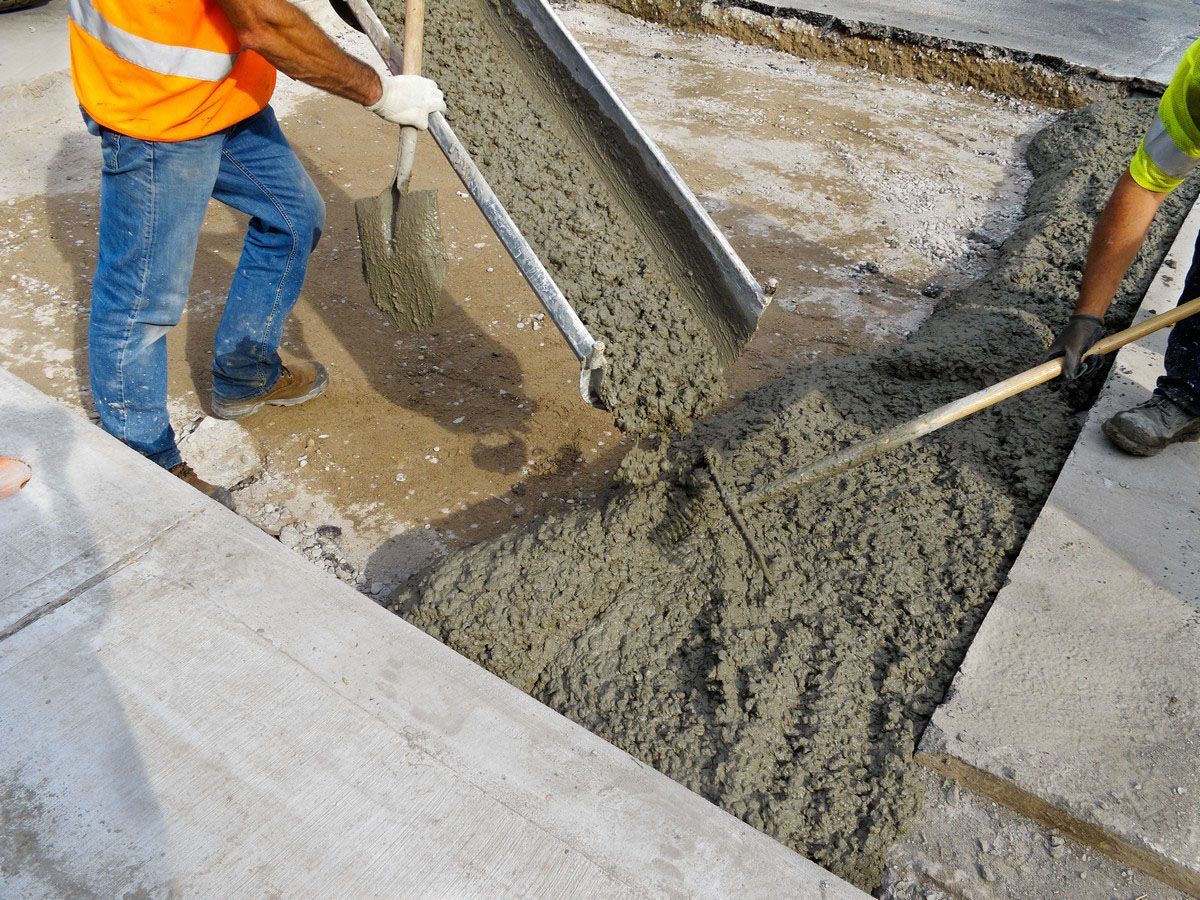
Using a professional concrete pumping company dramatically reduces the time required to set up and begin placing material. Conventional methods rely on extensive coordination among many workers, the repositioning of mixers, and the use of wheelbarrows or chutes—all of which introduce delays. With a pump, these time-consuming steps are eliminated, and projects can get underway faster. This is especially valuable on time-sensitive jobs where each hour of delay carries a direct financial cost and may jeopardize contractual deadlines.
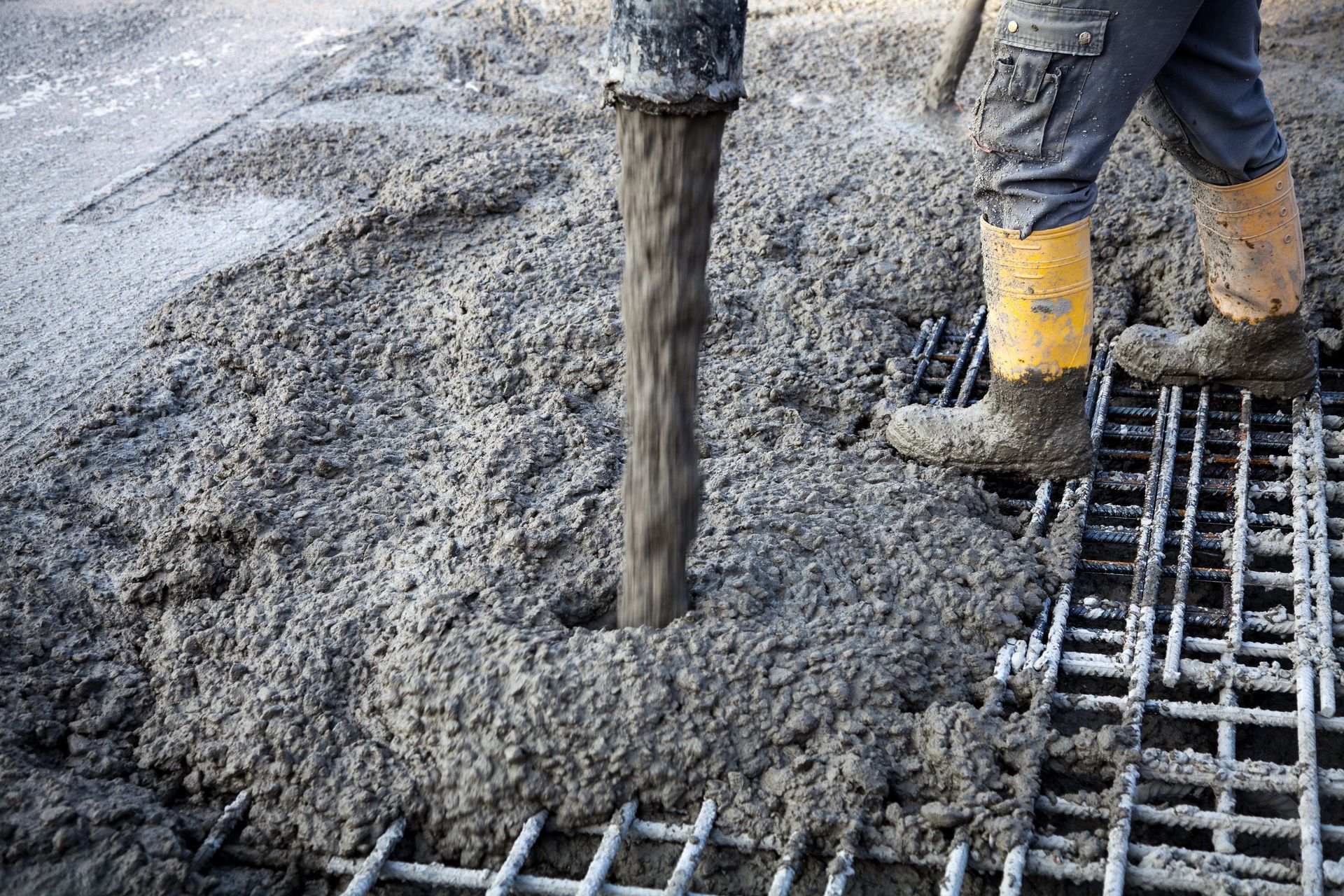
Pumps deliver material continuously and at high volume, maintaining a consistent flow that manual methods cannot match. This steady output keeps the project on schedule, reduces interruptions between pours, and enables better planning for subsequent phases of construction. Workers who are not directly involved in the pour can focus on other critical tasks, such as inspections, steelwork, or plumbing preparations, maximizing overall site productivity and reducing the likelihood of costly scheduling conflicts.
Improve Quality and Precision of Placement
One of the most compelling advantages of concrete pumping is the precision it brings to the placement process. Operators can direct material to exact locations—whether a high-rise floor slab, a deep foundation pour, or a complex architectural feature—with minimal risk of misalignment or uneven distribution. This level of accuracy is nearly impossible to replicate with traditional manual techniques, where human error and physical limitations frequently result in costly placement inconsistencies that require rework and delay progress.
Pumping also preserves the integrity of the mix throughout delivery. Because material travels through a sealed conduit directly from the mixer to the placement point, it is not exposed to excessive handling, aggregate segregation, or unintended environmental alterations. The result is a more uniform and structurally sound pour that consistently meets or exceeds industry durability standards, reducing the likelihood of surface defects or structural weaknesses over the life of the building.
Strengthen Safety Standards Across the Work Site
Reducing manual labor in the delivery process has a direct and significant impact on worker safety. Traditional methods require crews to repeatedly lift, carry, and pour heavy loads, creating ongoing risks of strain injuries, slips, and falls. By automating concrete pumping placement with pump-driven systems, these hazards are substantially reduced. Fewer workers are needed in high-risk zones, and the physical demands placed on crew members are minimized, contributing to fewer accidents, lower liability exposure for contractors, and a more positive overall work environment.
Modern pumps are designed with advanced safety features, including automatic shut-off systems, anti-slip surfaces, and controlled dispensing mechanisms that reduce the risk of equipment failure. Skilled operators follow strict protocols to ensure machinery is used correctly and that a strong safety culture is upheld across the site. In challenging environments such as urban high-rises or tight underground applications, pumps can access difficult areas without placing workers in confined or dangerous spaces, strengthening on-site protection throughout every stage of the project.
Reduce Costs and Maximize Financial Returns
The financial advantages of professional concrete pumping are substantial and operate on multiple levels. One of the most immediate is labor reduction. Because pumps centralize and automate the delivery process, far fewer workers are needed on site to manage placement, which directly lowers payroll costs and reduces the overhead associated with large crews. Precise delivery also minimizes material waste—concrete is directed exactly where it is needed, eliminating the spillage, over-pouring, and cleanup costs that often accompany manual methods. Equipment rental costs are similarly reduced, since fewer support machines, such as cranes, conveyors, or additional mixers, are needed when a pump handles the job. According to Shuntool, for a mid-sized project ranging from 500 to 1,000 cubic yards, this method can lower combined delivery and placement costs by 20 to 30 percent—a savings that can significantly improve project profitability and help teams stay on budget, even when material prices are volatile or project scopes are tight.
These savings extend well beyond the duration of individual projects. Faster completion means contractual obligations are met on schedule, protecting contractors from delay penalties and helping clients move forward with occupancy or operations sooner than anticipated. The high-quality pours achieved through pumping also translate into meaningful long-term savings, as structures built with greater precision and mix integrity require less maintenance, fewer repairs, and are less likely to need costly remediation work down the line. For clients, this represents a stronger return on their construction investment. For contractors, it means fewer callbacks, stronger referrals, and an enhanced reputation for delivering durable work. Together, these compounding financial benefits allow businesses to place more competitive bids, grow their client base, and build a more resilient position in an increasingly demanding construction market.
Adapt to Diverse Projects and Site Conditions
Professional concrete pumping is exceptionally versatile, making it suitable for a wide array of project types and site configurations. Whether working on a single-family home, a multi-story commercial building, or a large industrial facility, pumps can be deployed to meet the unique demands of each job. They are equally effective with high-strength mixes, fiber-reinforced formulas, lightweight concrete, and standard designs, eliminating the need for specialized equipment changes or extensive planning modifications between applications.
In challenging environments, this adaptability becomes especially valuable. Urban sites with limited access, elevated structures, sloped terrain, and underground applications all present logistical hurdles that traditional methods struggle to overcome. Pumps can reach elevated or narrow spaces without excessive equipment movement, reducing site congestion and enabling construction in locations that would otherwise be cost-prohibitive. This flexibility opens new possibilities for architectural design and makes pumping an essential resource for contractors working across diverse markets.
Support Environmental Responsibility and Sustainability
This method contributes meaningfully to sustainable construction practices. Because material is delivered with precision, overuse and spillage are dramatically reduced, lowering overall raw material consumption and aligning with green building goals. Less waste means fewer disposal requirements and a reduced burden on surrounding natural environments, supporting the broader industry push toward more responsible resource management on active job sites.
Pumps also operate with less noise and lower energy consumption than conventional fleet-based approaches, helping minimize disruption to surrounding communities—an important consideration in urban and residential areas. By combining material efficiency, energy savings, and reduced site disruption, this approach actively supports sustainable construction initiatives such as LEED certification and other environmentally responsible building standards, enhancing a contractor's reputation among clients who value forward-thinking practices.
Invest in a Method That Delivers Results
The advantages of professional concrete pumping are both wide-ranging and well-documented. From accelerating timelines and delivering superior placement precision to enhancing worker safety, reducing costs, and supporting sustainability, this technique offers a compelling advantage over traditional methods. Its versatility across project types, site conditions, and mix designs makes it an indispensable tool for contractors committed to quality, efficiency, and long-term client satisfaction.
Whether you are planning a small residential pour or a large-scale commercial development, contact us at Hillcrest Concrete Pumping LLC today. We will help you bring your next project to life with the precision, speed, and quality your construction deserves.