May 5, 2026
Concrete pumping has become a foundational element of modern building projects, simplifying the complex process of placing materials efficiently. Massive endeavors like towering skyscrapers and expansive highways require reliable solutions to handle immense placement challenges. By embracing advanced mechanized methods, construction teams achieve faster completion times, better resource allocation, and stricter quality control. These benefits are absolutely critical for successful project execution today. The versatility of this technique perfectly adapts to diverse scenarios, cementing its indispensable role.
The reliance on specialized placement systems is driven by a clear need for productivity at scale. Moving materials over extreme vertical heights is no longer feasible with manual labor alone. According to Intel Market Research, the financial valuation of the concrete pumping sector is projected to climb from USD 156 million in 2025 up to USD 208 million by 2032. This striking expansion highlights how integral these machines have become to modern operations.
Accelerating Concrete Placement Efficiency
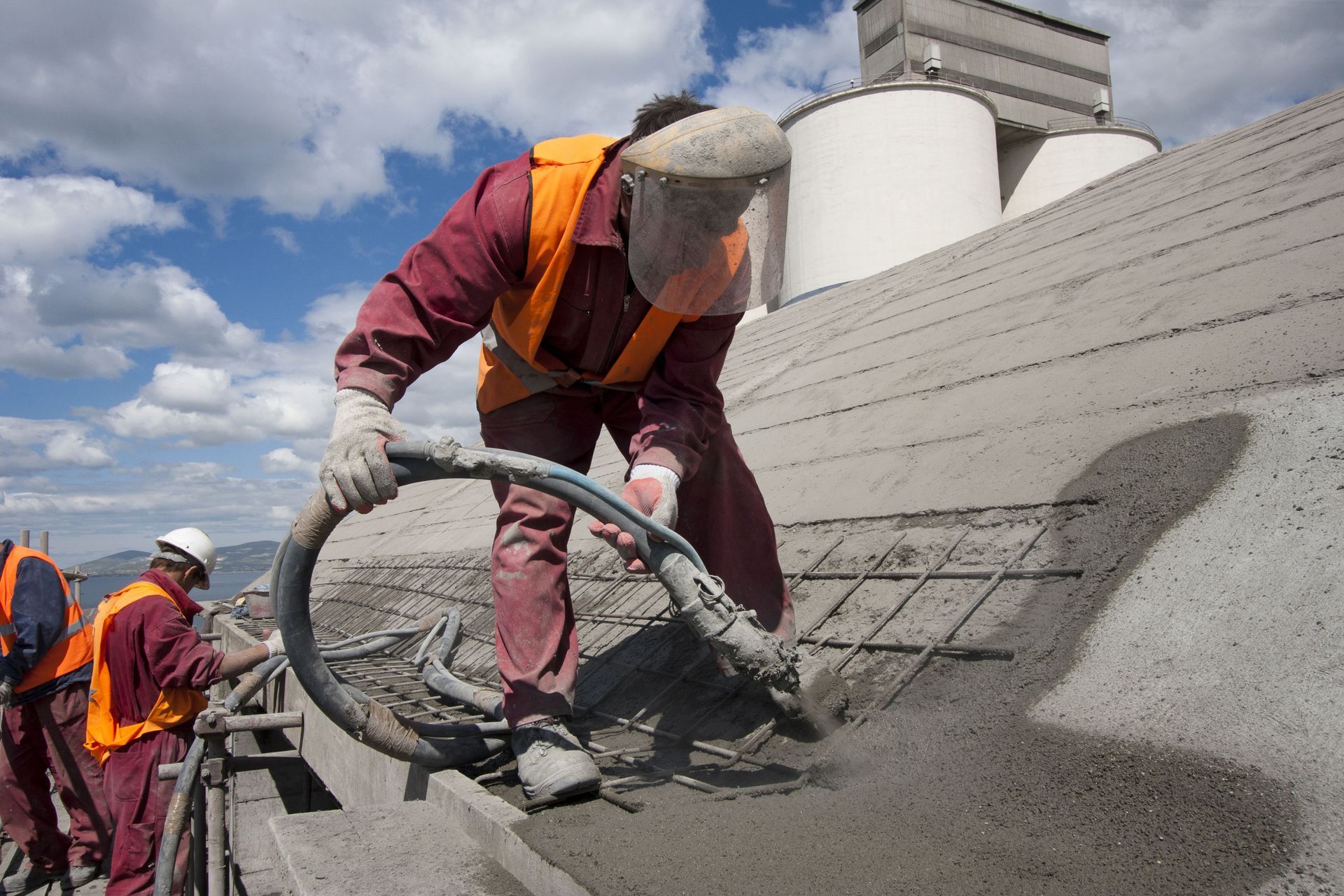
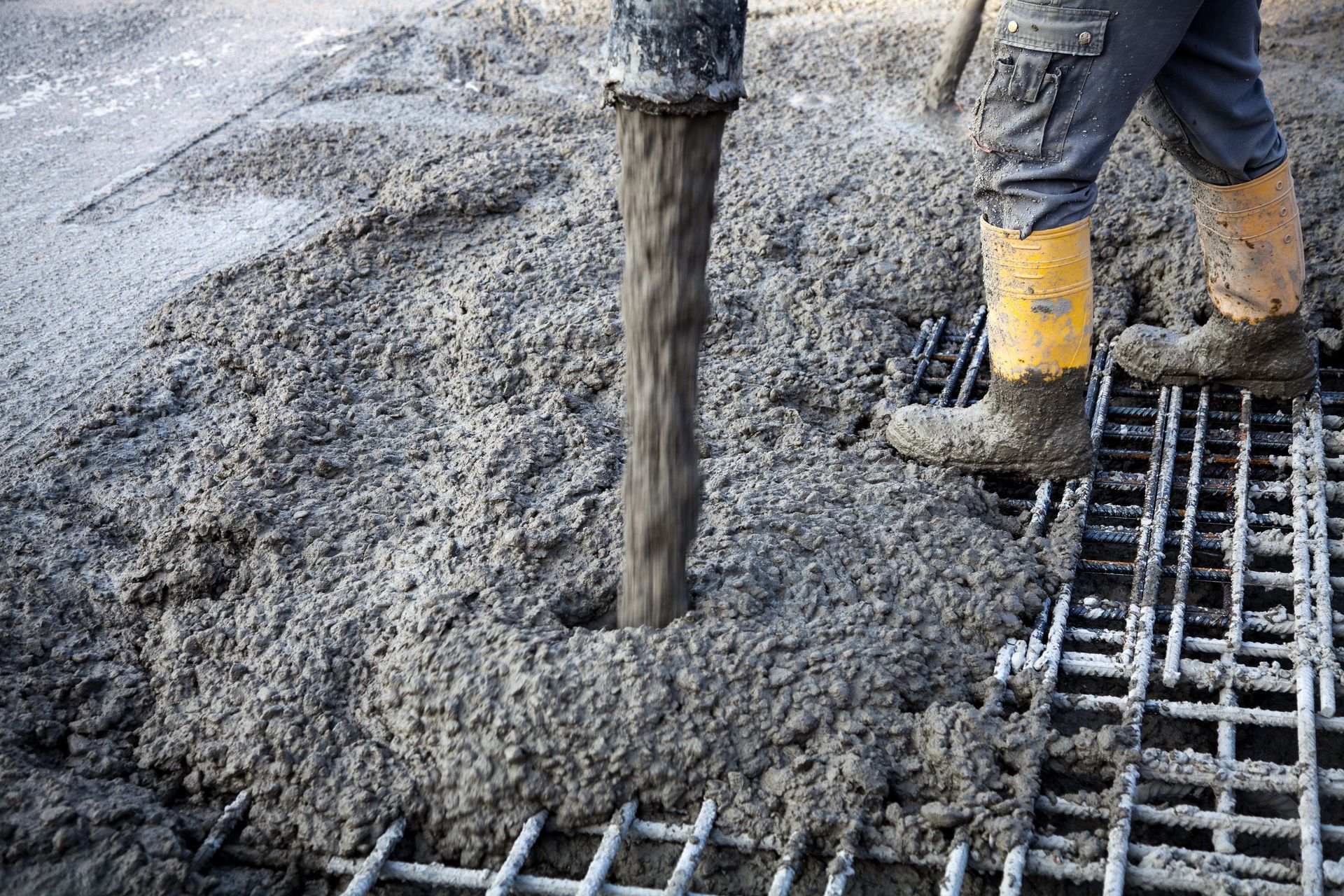
Utilizing specialized equipment speeds up project timelines by allowing for the continuous flow of materials right to the designated area. Traditional transport methods suffer from severe lag times and demand intensive manual labor to shift heavy mixtures. Mechanized delivery skips these tedious steps, pushing the mixture exactly where it needs to go. This streamlined approach helps managers meet aggressive deadlines and boosts turnover rates. Minimizing the manual workforce required also addresses pressing sector labor shortages effectively.
Beyond sheer speed and labor savings, mechanized systems elevate worksite safety and guarantee a highly uniform product. Eliminating the need for workers to haul heavy loads heavily reduces the chance of workplace injuries. Direct delivery also means fewer moving vehicles navigating crowded areas, calming site congestion. Alongside keeping the crew safe, this targeted delivery maintains the exact homogeneity of the mix. Keeping the material perfectly blended guarantees a high-quality finish that meets all rigorous structural demands.
Reaching Difficult Areas on Sites
Concrete pumping proves incredibly valuable when dealing with high-rise structures and extremely cramped urban zones. When erecting tall skyscrapers, traditional material lifts struggle with vertical transport, creating logistical bottlenecks. Advanced line systems bypass this entirely by pushing material directly up without clogging ground operations. In tightly confined city centers where space for oversized trucks is unavailable, precise machinery shines. They leave a minimal footprint while maneuvering gracefully around narrow alleyways, keeping the surrounding neighborhood completely peaceful.
Remote and geographically challenging environments also benefit immensely from streamlined placement solutions. Rural infrastructure builds often face severe logistical hurdles due to rugged terrain. Boom arms can reach across rivers or deep ravines, depositing the mixture exactly where the blueprints dictate. This capability empowers crews to tackle regional connectivity projects without dragging heavy vehicles through impassable landscapes. By bypassing natural barriers and existing structures easily, teams avoid lengthy detours and keep daily progress moving incredibly smoothly.
Optimizing Costs and Resources
Concrete pumping plays a vital role in cutting down material waste, leading to a much more eco-friendly operation. Standard pouring methods frequently result in extensive spills, which drain budgets through wasted supplies and expensive cleanup penalties. Precision delivery mechanisms prevent careless spills, ensuring every drop lands precisely within the forms. Conserving materials directly boosts project profit margins and perfectly aligns with modern sustainability standards. Consolidating transport duties into high-efficiency machines slashes daily fuel consumption and routine maintenance.
Transportation logistics experience a massive overhaul when deploying targeted delivery strategies, leading to long-term financial stability. Fewer trips across the site mean a steep drop in fuel usage, simultaneously cutting down harmful greenhouse gas emissions. Streamlined perimeter movement ensures traffic inconsistencies never halt critical pouring phases. The entire operation requires significantly less raw energy compared to archaic crane techniques, honoring strict environmental conservation targets. Strategic investments in precision machinery protect the financial health of construction enterprises immensely.
Leveraging Technological Improvements
Recent advancements in the concrete pumping sector have drastically elevated the baseline capabilities of modern construction machinery. Engineers are constantly pushing the envelope, introducing extended boom reaches and highly durable internal gear systems. These mechanical upgrades empower operators to deliver materials perfectly across diverse and punishing project environments. Integrated smart technologies, including fully automated monitoring systems, grant operators granular control over the placement process. This ongoing evolution directly addresses the escalating complexity of contemporary architectural blueprints everywhere.
The seamless integration of internet-connected sensors into these systems is completely revolutionizing how site managers handle quality assurance. Real-time feedback loops allow operators to instantly adjust flow rates, preventing errors before they occur. Alongside these digital leaps, manufacturers prioritize eco-conscious engineering, producing machines that run quieter and burn fuel cleanly. Enhancing the physical durability of internal components guarantees these units rarely suffer from unexpected breakdowns. Integrating this machinery with modern building software allows contractors to accurately predict needs.
Improving Project Management Workflows
The unparalleled reliability of concrete pumping radically simplifies daily scheduling and dramatically enhances overall project coordination. Because site managers can accurately estimate exact delivery times, massive timeline uncertainties completely disappear. This predictability allows general contractors to flawlessly synchronize multiple specialized teams, ensuring every phase moves forward seamlessly. When the material flows exactly as planned, costly productivity bottlenecks vanish, and resource allocation becomes streamlined. Open communication naturally flourishes among trades when central operations proceed consistently and without interruptions.
Deploying advanced delivery mechanisms keeps the entire site functional by mitigating chaotic disruptions and maintaining clear pathways. Older strategies usually scatter heavy equipment everywhere, forcing personnel to constantly reroute for safety checks. Centralized machinery easily navigates spatial constraints, keeping the primary workspace completely clear of dangerous clutter. If sudden weather shifts or logistical hurdles appear, the inherent flexibility of these systems allows operators to pivot quickly. Teams rapidly adjust schedules without completely derailing the strict master project timeline.
Facilitating Infrastructure Projects
Concrete pumping stands as the undeniable backbone of massive infrastructure endeavors, particularly when erecting sprawling bridges. Moving immense volumes of heavy material across long distances without losing structural integrity is mandatory for public works. These powerful machines excel under such extreme pressures, helping municipalities meet incredibly tight deadlines. Establishing massive industrial facilities and robust power plant foundations also relies entirely on the precision of these units. The bedrock of any heavy industrial site must withstand extreme operational stress continuously.
Beyond civic developments, the rapid rise of massive residential complexes deeply depends on streamlined material placement tools. Multifamily housing towers require an immense amount of foundational structure, demanding machines that maximize daily output. Executing highly innovative, unconventional architectural designs also leans heavily on the exact precise nature of mechanized systems. When designers dream up complex geometries, traditional pouring methods simply cannot achieve the necessary angles. These advanced delivery methods empower architects to confidently transform bold visions into reality.
The profound impact of modernized placement equipment on the global building sector simply cannot be overstated today. From skyrocketing urban towers to remote rural bridges, safely moving heavy materials directly determines the overall success. Replacing outdated tactics with highly precise machinery protects the workforce and slashes massive financial waste consistently. As environmental standards tighten and labor shortages persist, relying on efficient solutions ensures companies remain completely competitive. The steady march of innovation will continue expanding their industry reach.
Embracing concrete pumping translates directly into safer sites, reliable schedules, and beautiful structures that stand strong. Whether dealing with a cramped historical district or a highway expansion, the right equipment fundamentally changes the trajectory. Navigating complex logistical challenges requires partnering with seasoned experts who understand heavy material delivery nuances. Contact us at Hillcrest Concrete Pumping LLC today to secure a flawless foundation.